
I hear it all the time. At dinner parties, in my inbox, on social media — someone says, with total confidence:
"I'd never fall for a scam. I'm too careful. I know all the tricks."
I understand the feeling. It's comforting to believe that you're immune, that your skepticism is a force field. But after reading thousands of scam reports and talking to victims from every walk of life, I've learned something uncomfortable:
The people who say "I'd never fall for that" are often the ones who fall the hardest.
Not because they're arrogant. Because they've let their guard down. They assume scams are obvious — loud, sloppy, with flashing red flags. So when a scam arrives that's quiet, polished, and perfectly timed, they don't recognize it as a threat. They've already decided they're not the target.
The three stories I'm sharing today come from real readers (names and details changed). Each of them would have told you they'd never be scammed. Each of them learned a different lesson about how vulnerability works.
Story 1: The IT professional who clicked the link
"I've spent 20 years in tech. I train people on cybersecurity. And I still nearly lost $2,000."
That's how Dave's email to me began. He's a senior network engineer for a mid‑sized company. He runs phishing simulations for his coworkers. He knows every red flag in the book.
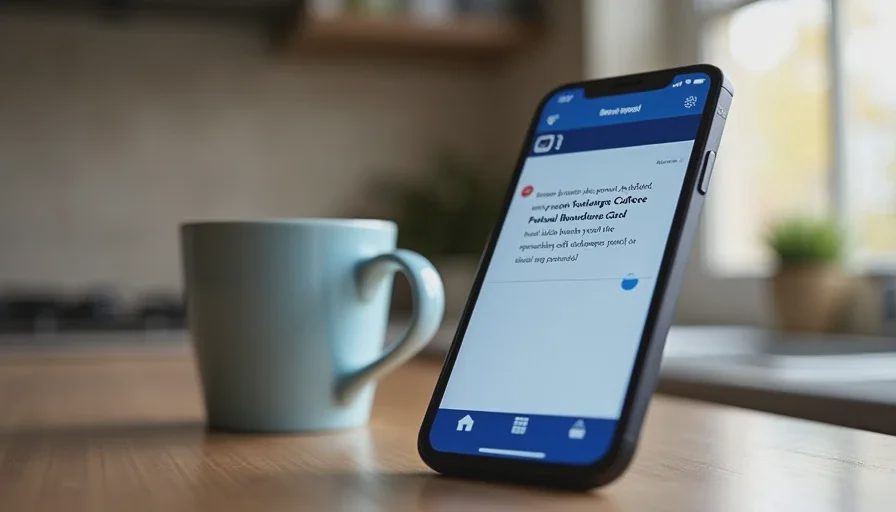
One Saturday morning, he got a text from his bank. Not a dramatic one — just a calm alert:
"Chase Alert: A new login was detected from an unfamiliar device. If this wasn't you, tap here to review."
Dave was halfway through making breakfast. He was tired, distracted, and his mind was on his kids. He looked at the text, saw the familiar format, and tapped the link without thinking.
The page that loaded looked exactly like his bank's login screen. He entered his username and password. Then his phone buzzed with a real verification code from Chase — which he typed into the fake page, because it asked for it.
Within minutes, someone on the other side of the world had logged into his actual account. They initiated a wire transfer of $2,000 to an external account. Chase flagged it as suspicious and locked the account before the money left — but Dave only discovered that when he tried to log in later that day.
What Dave learned:
"I thought I was immune because I knew the signs. But I wasn't paying attention. I was on autopilot, and the scammer's timing was perfect."
The lesson: Expertise doesn't protect you — attention does. You can know every scam pattern in the world, but if you're tired, distracted, or rushing, your knowledge doesn't matter. Scammers don't target your knowledge. They target your attention gaps.
What he does now: He disabled tap‑to‑open on his text previews. Now he has to swipe to read the full message, which gives him a second to pause. And he never clicks a link from a text — he opens the bank app manually.
Story 2: The college senior who fell for the job scam
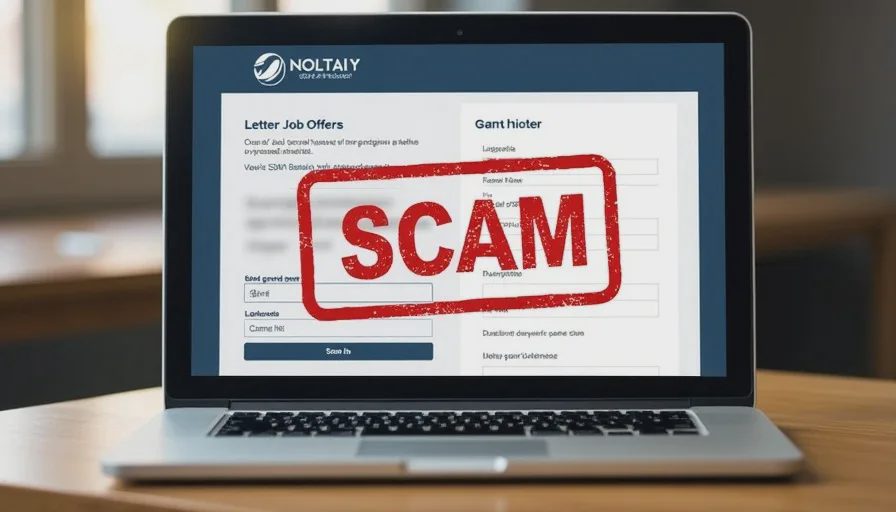
"I was so excited to get the offer. I told all my friends. Then I realized I'd sent my Social Security number to a stranger."
Maria is a senior at a state university. She's smart, resourceful, and she's been job hunting for months. When she got a LinkedIn message from a recruiter at a well‑known consulting firm, she was thrilled.
The message was professional. The recruiter had a profile with connections, recommendations, and a company logo. They scheduled a video interview — a real person on the other end, asking legitimate‑sounding questions about her coursework and internship experience.
A week later, she got the offer letter. It looked official, with the company letterhead and a signature block. The onboarding portal asked for her Social Security number, bank routing information for direct deposit, and a scanned copy of her driver's license.
She filled everything out. She was so relieved to have a job lined up.
Two weeks later, she got a call from the real company's HR department. They had no record of her application. The "recruiter" profile had been a clone — someone had copied a real employee's photo and credentials. The video interview was a single, well‑rehearsed individual using a fake name.
Maria's SSN and bank info were now in the hands of identity thieves. She spent the next six months dealing with fraudulent credit applications and frozen accounts.
What Maria learned:
"I was so desperate to get a job that I ignored the signs. The recruiter never called me — it was all through messages. The offer came too fast. But I wanted it to be real, so I convinced myself it was."
The lesson: Hope is a scammer's best friend. When you want something badly — a job, a deal, a relationship — you're more likely to overlook red flags. That's not stupidity. It's human nature. The antidote is to deliberately slow down when you're excited.
What she does now: She never submits sensitive information without independently verifying the employer through the company's official website. She calls the main HR number (not the one in the email) to confirm any offer. And she remembers that a legitimate process never demands urgency.
Story 3: The retired teacher who got the "grandson" call
"I always told myself I'd never fall for those family emergency scams. Then I heard my grandson's voice on the phone, and I forgot every rule."
Robert is 74. He retired from teaching high school history five years ago. He's sharp, reads the news, and he's the one his friends call when they get suspicious emails. He'd seen the warnings about "grandparent scams" and assumed they were easy to spot.
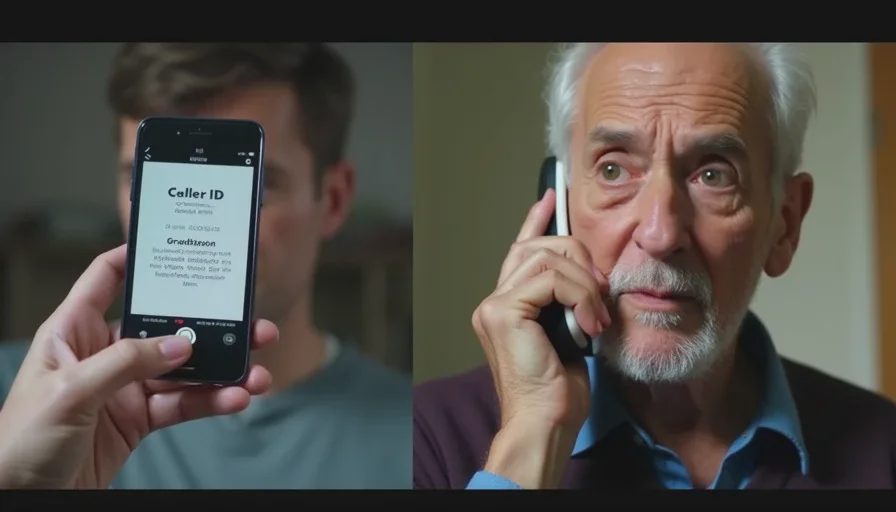
Then one evening, his phone rang. The caller ID showed his grandson's name. He picked up, and a voice that sounded exactly like his grandson said:
"Grandpa, I'm in big trouble. I was in a car accident and the other driver is saying I was drunk. I need bail money, but please don't call Mom and Dad — they'll freak out. I only have one call."
Robert's heart dropped. He asked, "Is that really you?" The voice said, "Yes, Grandpa, it's me. Please help." It sounded so much like his grandson — the tone, the inflections, the way he said "Grandpa."
Robert asked one question: "What's your middle name?" The voice answered correctly. (His grandson's middle name is publicly visible on Facebook.)
He was ready to wire the money. He asked how much. The "grandson" said $4,500 — but in the background, Robert heard a faint noise that didn't fit. It sounded like someone clicking a keyboard and whispering in a foreign language.
That odd noise gave him pause. He told the caller he needed a few minutes to get his bank card, put the phone down, and called his daughter — his grandson's mother — from his landline. His grandson was sitting right next to her, watching TV.
Robert had come within seconds of losing $4,500.
What Robert learned:
"I thought the scammers used a bad script that would be obvious. But they knew my grandson's name, they had his voice, and they even got his middle name right. I was ready to act. The only thing that saved me was that background noise — and the fact that I had a second phone to call my daughter."
The lesson: No one is too old or too smart to be manipulated. The scammer didn't break through a firewall — they broke through Robert's love for his grandson. That's not a vulnerability you can fix with a security update. You can only fix it with a habit — a code word, a confirmation call, a pause before action.
What he does now: His family has a code word. Anyone who calls asking for money must say it. No code word, no money. It's simple, free, and it would have stopped the scam cold.
The common thread
Three different people. Three different ages, backgrounds, and professions. They all had one thing in common: they believed they were not the target.
That belief is dangerous because it lowers your guard. You stop checking. You stop pausing. You assume you'll recognize a scam when you see one — but by then, you've already engaged.
The most dangerous scam isn't the one that looks obviously fake. It's the one that arrives when you're tired, excited, or worried. It's the one that blends into your daily routine. It's the one that plays on your emotions, not your ignorance.
If you take one thing from these stories, let it be this:
The moment you think you're too smart to be scammed is the moment you're most vulnerable.
That's not pessimism. It's a call to build habits that work even when you're not at your best. Habits like:
Never clicking a link in a text, no matter how official it looks.
Always verifying through a known channel — not the one in the message.
Using a family code word for any emergency request.
Waiting 24 hours before acting on any offer that feels urgent.
Asking yourself: "Would I hand them cash in person?"
These aren't about intelligence. They're about routine. And routines protect you when your attention fails.
No letters yet.