A card skimmer is a small device criminals place over or inside a legitimate card reader to capture payment information. You might encounter one at an ATM, gas pump, parking meter, or self-checkout station. The machine can look normal, accept your card, and dispense cash or authorize a purchase while quietly passing your data to someone else.
That sounds alarming, but the useful response is practical rather than panicked. Learn what to inspect, choose safer payment methods when possible, and monitor your accounts after using a questionable terminal. Slow the click, slow the swipe, and take a few seconds to look at the machine before paying.
How a card skimmer works
A card skimmer usually targets the magnetic stripe on a debit or credit card. The device may sit over the original slot, fit inside the reader, or connect to the terminal in a way that is difficult to notice. Some criminals also install a tiny camera or a fake keypad overlay to capture a PIN. Newer schemes can involve devices that read contactless signals, although traditional magnetic-stripe theft remains a common concern.
The criminal does not need to stand beside you. Stolen data can be copied onto another card, sold in batches, or used for online purchases. A debit card creates an additional concern because a stolen PIN can give someone a path to withdraw money directly from a checking account.
The card skimmer itself is only one part of the setup. A loose reader captures the card details, while a hidden camera or keypad overlay captures the PIN. That combination is why covering your hand when entering a PIN is such a simple, valuable habit.
Where you are most likely to find one
Outdoor payment terminals deserve extra attention because they are accessible after closing time and may not be watched continuously. Gas pumps, standalone ATMs, transit kiosks, and parking meters are common targets. Indoor bank ATMs can also be tampered with, even though they often have stronger security controls.
At a gas station, compare the card reader with the neighboring pumps. A raised piece of plastic, a different color, a crooked label, or a broken security seal can indicate that the machine has been altered. Do not assume a familiar brand or busy location guarantees safety. Criminals choose machines that process many cards and may go unnoticed for hours.
If an ATM has a loose faceplate, unusual instructions, or a reader that appears wider than usual, use another machine. Do not let a stranger help you troubleshoot it, especially if that person asks for your PIN or suggests calling a phone number printed on a questionable sticker.
How to spot a suspicious card reader
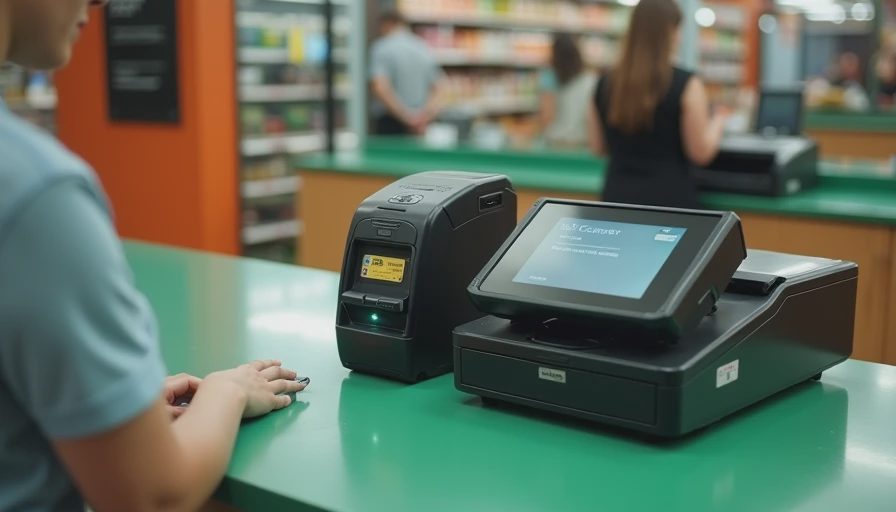
Before inserting a card, inspect the terminal without making a scene. Gently tug the card slot and keypad. They should feel firmly attached, not wobbly or layered on top of the machine. Look for glue marks, mismatched plastic, damaged screws, or a small camera pointed toward the keypad. A camera may be hidden in an overhead panel, brochure holder, or nearby sign.
Check for tamper-evident seals on gas pumps and other outdoor terminals. A seal that says “void” or looks torn is a reason to move to another pump and report the problem to an employee. Compare the slot with another terminal if one is available. Criminals often install a card skimmer on one machine while leaving the others untouched.
Use chip insertion or contactless payment instead of swiping when the terminal offers those choices. Chip transactions do not make stolen magnetic-stripe data useless, but they can reduce the value of information captured by a basic skimmer. Contactless payment through a reputable mobile wallet can also limit the exposure of your actual card number because tokenized payment information is used instead.
What to do if you already used one
If you think you used a card skimmer, do not wait for a fraudulent charge before acting. Contact your bank or card issuer using the number on the back of your card or inside its official app. Explain where and when you used the terminal. Ask whether the card should be locked, replaced, or monitored for unusual activity.
For a debit card, change the PIN if you entered it at the questionable machine. Do not reuse that PIN on another account, and avoid using a familiar number such as a birthday. Review pending transactions as well as completed transactions, because small test charges can appear before larger attempts.
Write down the terminal location, time, and anything unusual you noticed. Report the machine to the gas station, bank, or property manager, and notify local law enforcement if money was taken. Your bank may ask for details during a fraud investigation. Save confirmation numbers and keep copies of messages related to the dispute.
Credit card protections and debit card protections are not identical, and the timing of your report can matter. Prompt notification gives the issuer more options and limits the period during which an account can be exposed. Follow the issuer's instructions rather than responding to an unsolicited call claiming to be fraud prevention.
Safer payment habits that take less than a minute
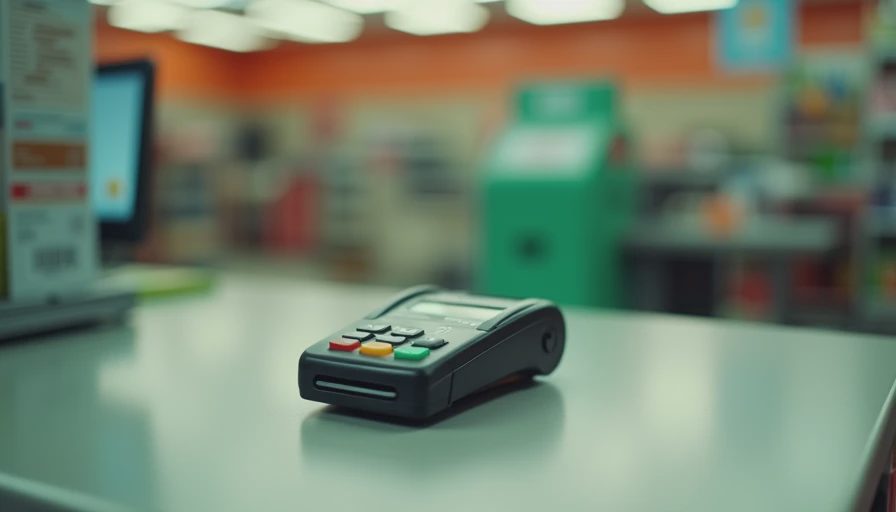
Choose terminals in well-lit, monitored areas. At a gas station, paying inside can be a reasonable alternative when an outdoor pump looks damaged. At an ATM, use a machine attached to a bank branch when practical, and avoid accepting help from anyone who approaches you unexpectedly.
Cover the keypad with your free hand whenever you enter a PIN. This blocks a basic overhead camera and makes it harder for someone nearby to observe the numbers. Keep transaction alerts enabled in your banking app, and set low-balance or purchase notifications when your bank offers them.
Use a credit card for purchases when that fits your budget and payment habits. A credit card does not eliminate fraud, but it generally keeps a suspicious charge from immediately removing money from your checking account. Pay the balance on time so the convenience does not become expensive interest.
Do not photograph your card, share its number through text, or store a PIN in your phone's notes app. When a terminal rejects a card repeatedly or behaves strangely, stop and use another payment method. The inconvenience of changing machines is small compared with replacing a compromised card and investigating unauthorized withdrawals.
A calm response beats a rushed decision
A card skimmer relies on routine: insert the card, enter the PIN, collect the receipt, and leave. Breaking that routine gives you a chance to notice a loose reader or hidden camera. You do not need specialist equipment or technical knowledge. Look, compare, cover the keypad, and choose chip or contactless payment when available.
If you find a suspicious terminal, do not confront anyone you believe may be involved. Move away, notify the business, and contact your bank through an official channel. Fraud prevention works best when it is boring and repeatable: inspect the machine, monitor the account, and report unusual activity quickly.
The goal is not to fear every ATM or checkout. It is to build a short pause into the payment process. If the machine, message, or person nearby wants speed, you want distance. Slow the click, trust an uncomfortable detail, and give yourself permission to use a different terminal.
No letters yet.