If you have ever wondered, "is zelle safe for sending money to strangers," the short answer is no. Zelle can be useful for paying people you know and trust, but it is not designed to protect you from every dishonest seller, fake landlord, impostor, or online marketplace scam. The payment often moves directly between bank accounts, and a completed transfer can be difficult to reverse.
That does not mean every stranger is a scammer. It means the risk sits with you when the other person controls the story, the phone number, and the promised item. Slow the click. A few minutes of verification can protect money that a bank may not be able to recover.
Why Zelle payments are risky with unfamiliar people
Zelle is built for speed. You typically choose a recipient through a phone number or email address, enter an amount, and authorize the payment through your bank. That convenience is helpful when splitting dinner with a friend. It becomes a weakness when a stranger creates urgency and you have no established relationship to verify.
Many Zelle transfers are treated as authorized transactions because the account holder approved them. If a scammer tricks you into sending money, the bank may distinguish that from an unauthorized account takeover. In plain English, you might have been deceived, but the payment still came from your device after you approved it. Policies differ by bank and situation, so reporting quickly matters, but reimbursement is not guaranteed.
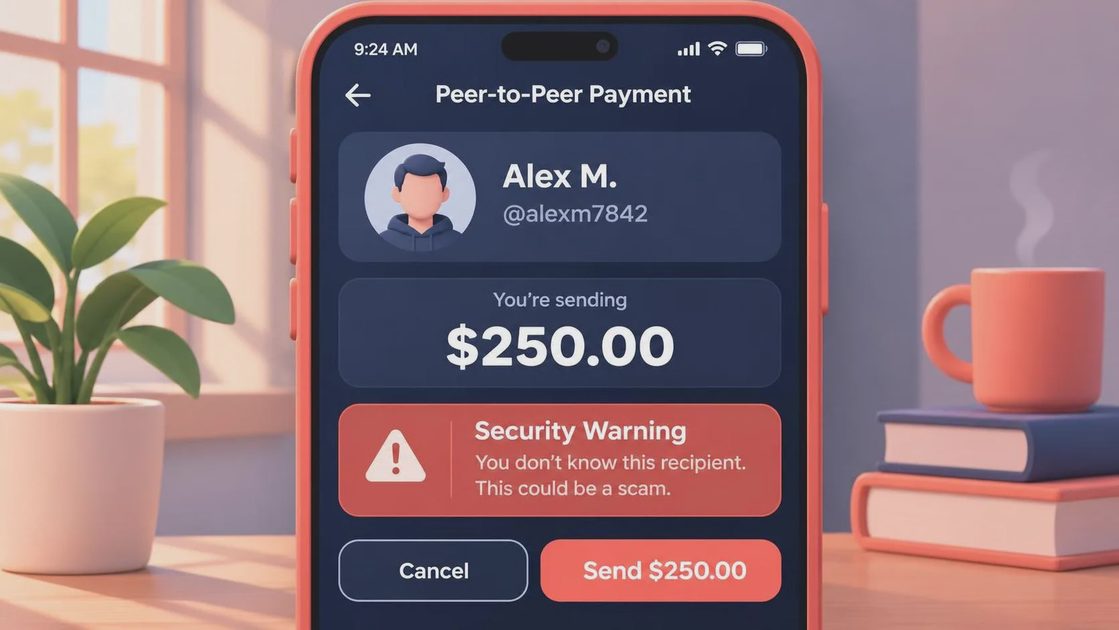
The recipient name also deserves attention. A familiar-looking profile, email address, or caller ID does not prove identity. Scammers can use accounts opened under stolen information, disposable phone numbers, or names that resemble a legitimate business. If the payment screen shows a warning that the person is not enrolled or that the information does not match, stop rather than trying to push through.
Common stranger-payment scams
A fake rental listing is one familiar setup. The person claims to be out of town, offers a below-market apartment, and asks for a deposit through Zelle before a tour. The photos may be copied from a real listing, while the scammer keeps increasing pressure because another applicant is supposedly ready to pay.
Online marketplace scams follow a similar pattern. A seller offers a phone, concert tickets, furniture, or a vehicle part at an attractive price. They refuse a normal platform checkout, say they need payment immediately, or claim that Zelle is safer because it avoids fees. After the transfer, the account disappears or the seller sends a fake shipping label.
Impostor scams use authority and panic. Someone pretends to be a bank employee, employer, police officer, utility representative, or relative. They say your account is in danger or that a bill must be paid immediately. Here is where the pressure enters the script: you are told not to hang up, not to tell anyone, or not to use another payment method. A legitimate organization will not require secrecy to prove compliance.
If a message wants speed, you want distance. End the call, open a fresh browser window, and contact the organization through a phone number or website you locate independently.
A safer way to evaluate the request
Before deciding is zelle safe for sending money to strangers, separate the person from the payment method. Ask whether you can verify the transaction without using information supplied by the requester. Search the property address, check whether product photos appear elsewhere, and call a business using its official published number. For a person claiming to be a friend or relative, contact them through a known number or another channel.
Do not let a stranger coach you through your banking app. Banks do not need you to move money to a “safe account” to protect it. They also do not need a verification payment, a refund payment, or a transfer to unlock your account. A request to read back a one-time code is another serious warning sign because that code may allow an account takeover.
Consider the amount and the recovery path. If losing $75, $300, or $1,000 would affect rent, groceries, or a bill, do not send it to someone you cannot verify. Credit cards and established marketplace checkout systems often provide dispute processes that a direct bank transfer does not. Those alternatives can cost more in fees while giving you a better path when something goes wrong.
What to do before tapping Send
Use this quick pause whenever is zelle safe for sending money to strangers becomes the question in your head. First, confirm the recipient’s identity outside the conversation. Second, inspect the recipient information character by character; a changed digit or misspelled domain can redirect money. Third, ignore claims that only Zelle, gift cards, cryptocurrency, or wire transfers are acceptable.
Fourth, ask a trusted person to read the message. Scams often sound less convincing when spoken aloud. Fifth, save screenshots of the listing, messages, phone numbers, receipts, and promised delivery details before paying. Sixth, decide what you will do if the item never arrives. If the answer is “nothing,” the payment is probably not worth the risk.
Turn on bank alerts for transfers and review your account after any payment. Use a unique, strong banking password and multi-factor authentication. Never install remote-control software because a caller says it is needed for a refund or fraud investigation.
If you already sent the money
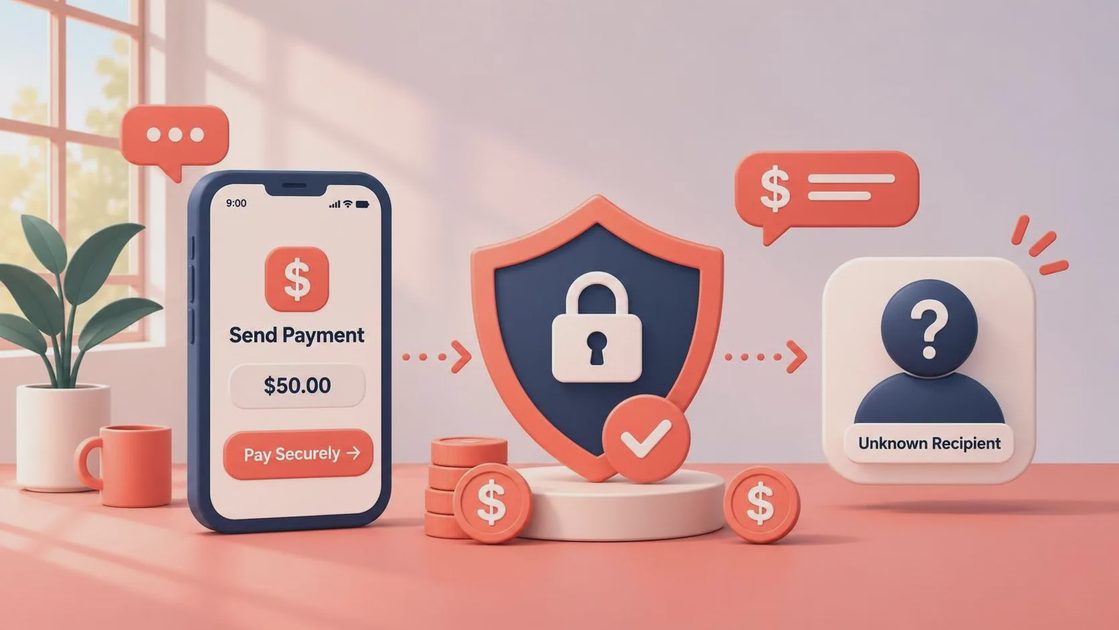
Do not wait for the stranger to respond. Contact your bank or credit union immediately using the number on your debit card, account statement, or official banking app. Explain that you were deceived, provide the transaction details, and ask whether the transfer can be stopped or recalled. Ask what documentation the bank needs and write down the case number.
If your bank account, email, or phone was also exposed, change passwords from a device you trust, sign out of unfamiliar sessions, and contact your mobile carrier if you suspect a number takeover. Report the incident to the platform where you met the person. For larger losses or identity theft, file a report with the Federal Trade Commission at IdentityTheft.gov and consider contacting local law enforcement.
Be careful of recovery scammers next. They may promise to retrieve your money for an upfront fee, claim to work for the bank, or ask for remote access. A real investigator will not demand gift cards or another transfer to recover the first one.
The practical answer
So, is zelle safe for sending money to strangers? Treat it as unsafe for unfamiliar recipients unless you have independently verified who will receive the money and why. The app itself is not the whole issue; the irreversible-feeling payment combined with a convincing lie creates the danger.
Use Zelle for people you know, trust, and can reach outside the transaction. For strangers, choose a purchase method with meaningful dispute protection, meet in a safe public place when appropriate, and keep the conversation on a platform that records the deal. If someone objects to reasonable verification, that objection is useful information. Slow the click, step away from the pressure, and let the deal disappear before your money does.
No letters yet.